“Ohana” is the Hawaiian term for “family,” which is what a St. Petersburg-based nonprofit provides to veterans through a robust support network, innovative cybersecurity training, mentorship, and job placement assistance.
Founded in 2019, the Cyber Ohana Project addresses two persistent issues: On average, 17.5 military veterans died by suicide each day in 2023, and the estimated global shortage of cybersecurity professionals is approaching 5 million unfulfilled roles.
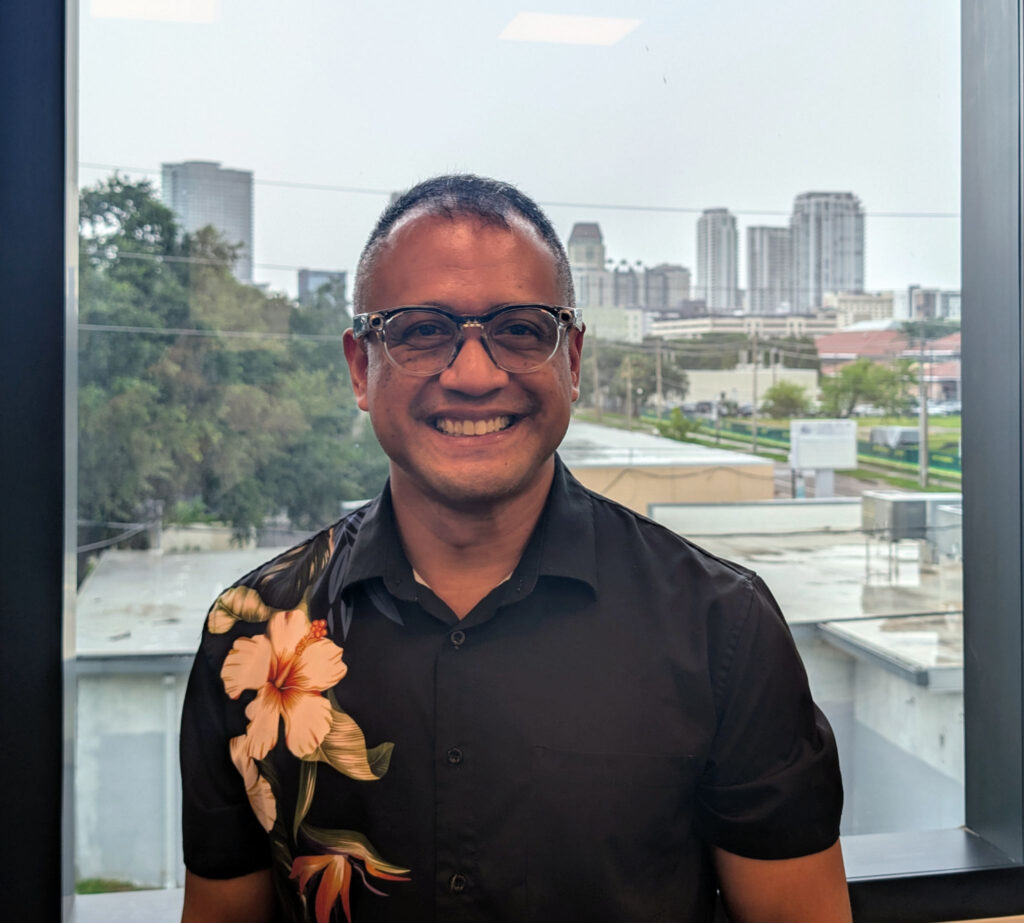
The dual crises hit home on both a personal and professional level for Wilson Bautista, a retired U.S. Marine Corps captain and CEO of Jün Cyber. He realized that returning to civilian life is rarely a straight line for veterans, but transferring high-stakes tactical skills into corporate America often presents an additional barrier.
Bautista, executive director of the Cyber Ohana Project, also recognized that while service members develop rigid discipline, mission-first mindsets, and real-world problem-solving under pressure, they frequently lack the certifications and professional networks needed to break into the information security industry. He co-founded the nonprofit to bridge those gaps.
“I wanted to be able to provide a community that I didn’t have when I first got out of the military,” Bautista said. “I went through all of these experiences – I had success, but I didn’t have mentorship.”
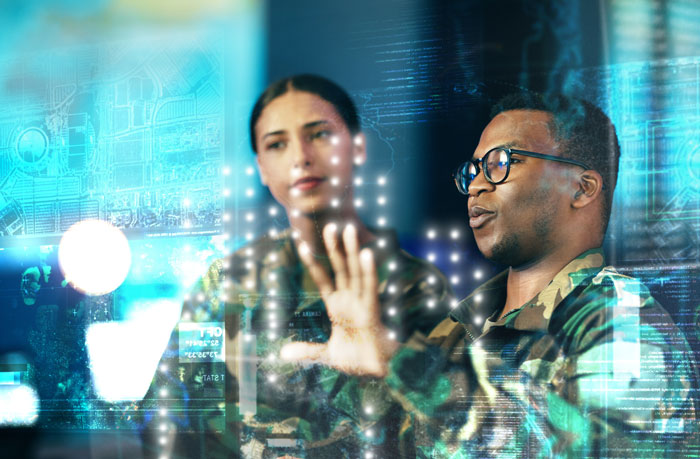
Cyber Ohana functions as an end-to-end pipeline tailored specifically for transitioning military personnel. Rather than leaving veterans to navigate complex credentialing processes alone, the nonprofit guides them through high-value industry training and provides seasoned cybersecurity mentors with experience navigating corporate terrain.
Bautista, a combat veteran who faced a post-traumatic stress disorder (PTSD) diagnosis upon returning home, emphasizes the importance of understanding those unique challenges. His overarching goal is to show other returning service members that they, too, can overcome “all of those painful experiences” to have a successful career and lead a fulfilling life.
“Cybersecurity fits with a lot of veterans because there’s a mission,” Bautista explained. “You understand that you have an organization to protect, and in order for you to do that, you need the knowledge, skills, abilities, and tasks available, and the experience to do those things.”
Veterans are “perfect for employers in general because they have discipline,” Bautista added, and strive for operational excellence. He also believes the need for additional cybersecurity professionals will grow exponentially as AI applications continue evolving.
Bautista encourages interested military personnel to “get involved earlier so we can be a resource” before they begin transitioning to civilian life. Cyber Ohana facilitates externships to ensure veterans can receive hands-on training with civilian organizations.
The nonprofit has now partnered with Virginia-based SCIPP International to address a “unique issue in the United States defense supply chain,” Bautista said. Many organizations are “handling controlled unclassified information,” which requires expensive, complex certifications.
Cyber Ohana, SCIPP International, and Jün Cyber have developed a program “specifically meant to support these defense suppliers to help them get ready for the Cybersecurity Maturity Model Certification (CMMC) at a lower cost,” Bautista said.
“So what happens is that they (veterans) start getting trained at SCIPP International, then the Cyber Ohana Project is starting the CMMC Readiness Corps, and it’s going to be powered by Jün Cyber’s technology to support small manufacturers, with the Bay Area Manufacturers Association,” he continued. “We’re going to start this program real soon.”
Technical credentials, however, are only half the battle. The nonprofit’s North Star lies in its second word: Ohana.
The military provides service members with an instant, built-in family and a shared purpose that often vanishes soon after returning home. Those sudden losses are widely cited as a contributing factor to the mental health struggles and isolation many veterans face.
Cyber Ohana recreates that lost sense of unity with a tight-knit network of former military personnel, industry experts, and local supporters. Bautista believes the initiative, and others like it, can “absolutely” save lives.
“There are people who are hurting – even though they may not say it,” he said. “If you need something, let us know. We will always be here, and that’s kind of the point.”
Cyber Ohana is always looking for cybersecurity professionals at various career levels to serve as mentors, Bautista said. The second need is additional funding.
Those interested in supporting the mission can visit the links on Cyber Ohana’s website. The nonprofit also organizes and benefits from BSides St. Pete, a national cybersecurity conference that returns to the city in January 2027.
“Finally, and probably most importantly, if you know a veteran or a military spouse who is looking for guidance and mentorship – use us as a resource,” Bautista said. “We have the knowledge and the mentorship community to support them throughout this transition.”