Clearwater-based TD SYNNEX is leveraging new partnerships in and outside of Florida to supply critical ground infrastructure for the nation’s booming space economy.
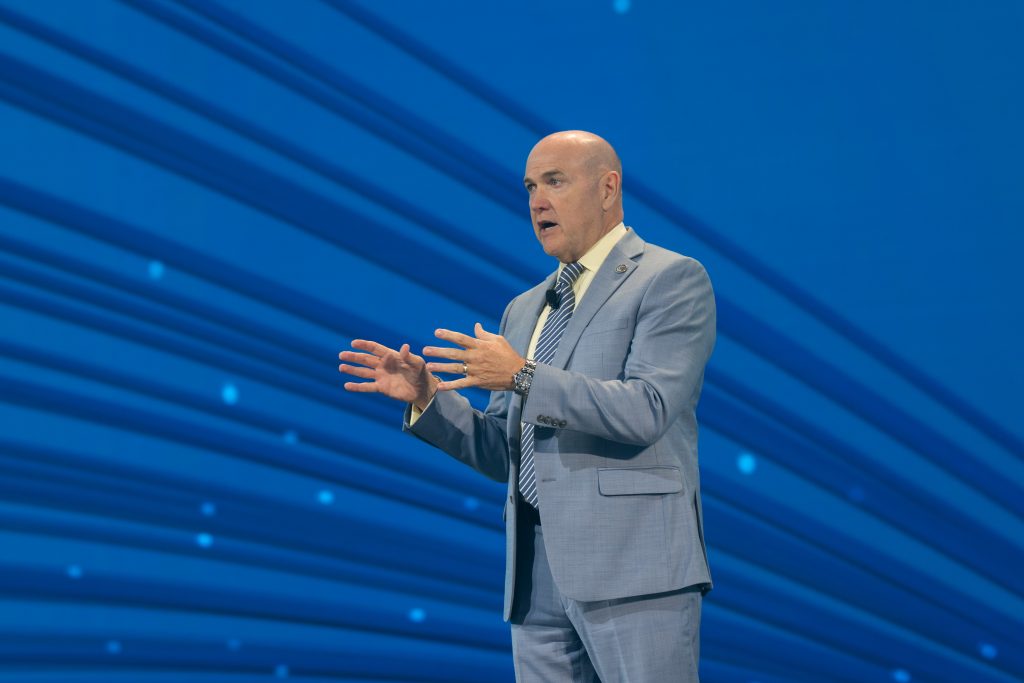
The global information technology distributor announced the launch of its Space Tech Initiative in October. Led by Eddie Franklin, senior vice president of vertical markets, the ambitious endeavor will help resellers and vendors identify, pursue and scale opportunities across an industry projected to generate $1 trillion by 2032.
Franklin noted that for decades, federal agencies and large prime contractors had exclusive domain over space exploration. But as the industry rapidly expands, government entities increasingly purchase and co-develop commercial innovations.
That recent pivot has created a thriving new space economy that often lacks foundational corporate infrastructure, Franklin explained.
“The good news is a rocket scientist is building the satellite or the rocket,” Franklin told the Tampa Bay Reporter. “The bad news is the rocket scientist is probably also building the network, storage environment and other things at the company.
“While space tech companies are probably some of the most astute and technically savvy people, the business process might not be keeping up with the intellectual property or the trajectory.”
TD SYNNEX intends to fill that operational void by helping partners build new capabilities and turn growing demand into repeatable business. The conglomerate recognized that it needed specialized expertise to accomplish those goals and turned to its own backyard.
A partnership with Florida Institute of Technology in Melbourne is a cornerstone of the initiative. Franklin said the university, founded in 1958 to supply the Space Coast with engineering talent, remains intertwined with the “commercial, civil and defense aspects of space.”
Florida Tech also offers specialized programs, including a master’s degree in Spaceport Management, which TD SYNNEX will use to understand the industry’s evolving needs. Franklin envisions institutions statewide filling a “new pipeline of opportunity.”
“Even if you’re not an engineer that’s building a rocket or a satellite, there is a ton of opportunity to participate in the space economy,” he said. “I think what you’re seeing now is the commercial space economy looking for places where they can band together in an ecosystem.”
Merritt Island-based All Points Logistics and its space processing arm, Space Prep, will also play a key role. To simplify the complex aerospace ecosystem for IT vendors, Franklin compared the industry to commercial aviation.
He said rockets are the airplanes, satellites are the passengers, and spaceports serve as airports. Space processors act as the Transportation Security Administration and customs checkpoints.
Space Prep will provide TD SYNNEX and its partners with unique insight into satellite manufacturing projections and launch schedules. The company was recently awarded two of the largest space processing contracts in history and is currently building independent commercial facilities, Franklin said.
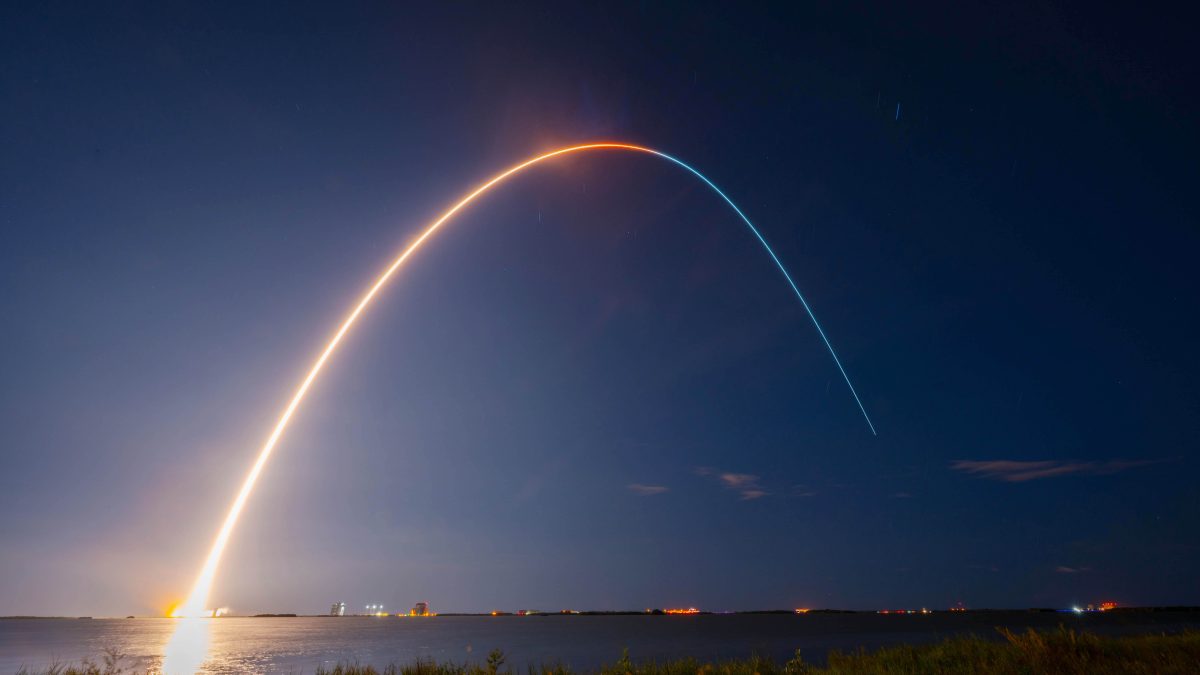
He expects demand for processing capability to surge as annual launches increase from 300 to a government-targeted 1,000. Stakeholders also believe spaceports will create lucrative economic zones that support research, development and testing, which requires massive amounts of tech infrastructure.
“We have a big stake in the Florida economy,” Franklin said. “It’s important to be relevant in our home state of Florida.”
He explained that TD SYNNEX partnered with Minneapolis-based Nova Space to close the commercial knowledge gap. Although IT professionals have the technical skills to build digital infrastructure, many lack a basic understanding of the modern space economy, making it difficult to communicate with engineers.
The Artemis Group, a leading space consultancy firm founded by former NASA Administrator Jim Bridenstine, will help navigate regulatory and operational hurdles. A team of high-ranking officials with federal experience, including at the White House and Department of War, will provide market insights and industry connections.
“Space is kind of a unifier,” Franklin said. “It’s almost a nonpartisan issue. In the modern era, you have to have defense capabilities that are space-based.”
The implications for advanced technology extend far beyond launches and national defense. Franklin highlighted the burgeoning space-based biotechnology sector, where companies use microgravity environments to grow human tissues that cannot be replicated on Earth.
While orbital manufacturing sounds futuristic, Franklin noted a logistical reality: the International Space Station operates roughly 250 miles above Earth, making it closer to East Coast laboratories than many production facilities.
However, space industry infrastructure is overwhelmingly terrestrial. According to TD SYNNEX, 90% of the tech that enables space launches remains on the ground and consists primarily of products sold by the company and its partners.
Space Tech Initiative stakeholders believe too much of that infrastructure is built on the fly. “We’re in a new space race with another nation-state, and that is driving a lot of activity,” Franklin said.
“We’ll be looking for local resellers that are already here (Tampa Bay) or already in Florida to apply those skills to the Space Coast.”