A late-night craving inspired tech entrepreneur Ankit Agarwal to build HappyBoards. His on-demand charcuterie delivery network recently expanded to Tampa as part of a rapid national rollout.
The unique concept was born on Labor Day weekend in 2021. Agarwal had recently moved to New York City after a difficult breakup and was seeking to “reset life.”
After several glasses of wine with his brother, Agarwal attempted to order a charcuterie board through Uber Eats. The search yielded zero results in the nation’s largest metropolis.
“Why can’t I be drunk and get a charcuterie board?” Agarwal recalled thinking. “Like, how hard can it be?”
He soon discovered logistical hurdles within the artisan food sector. While some established companies offered catering platters, orders required a three-day notice and hundreds of dollars. The market lacked a modern, on-demand option for smaller, casual gatherings.
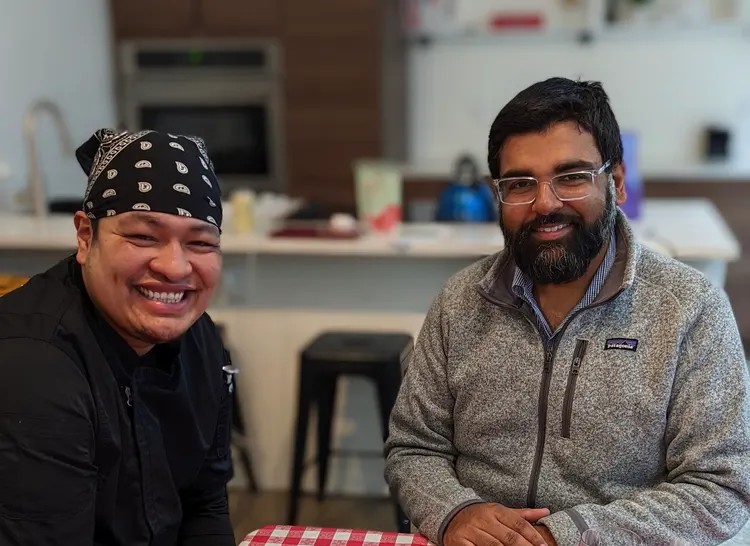
Agarwal, who previously founded an enterprise software and data company in San Francisco, had no background in the food industry. However, he realized an opportunity and pitched it to veteran Chef Nelson Cienfuegos.
“He thought this was a terrible idea,” Agarwal said. “But he heard my passion and was like, ‘maybe there’s something here.’ We hung out for a couple of months, ate more cheese, and decided to pull the trigger.”
The co-founders secured a ghost kitchen in February 2022 and launched HappyBoards on third-party delivery apps. Agarwal eventually built a direct-to-consumer platform that offers freshly made, chef-crafted charcuterie boards and same-day delivery.
“We’ve just had the time of our lives,” Agarwal said. “Because every time someone orders, a charcuterie board is at the center of the table – people gather around it.”
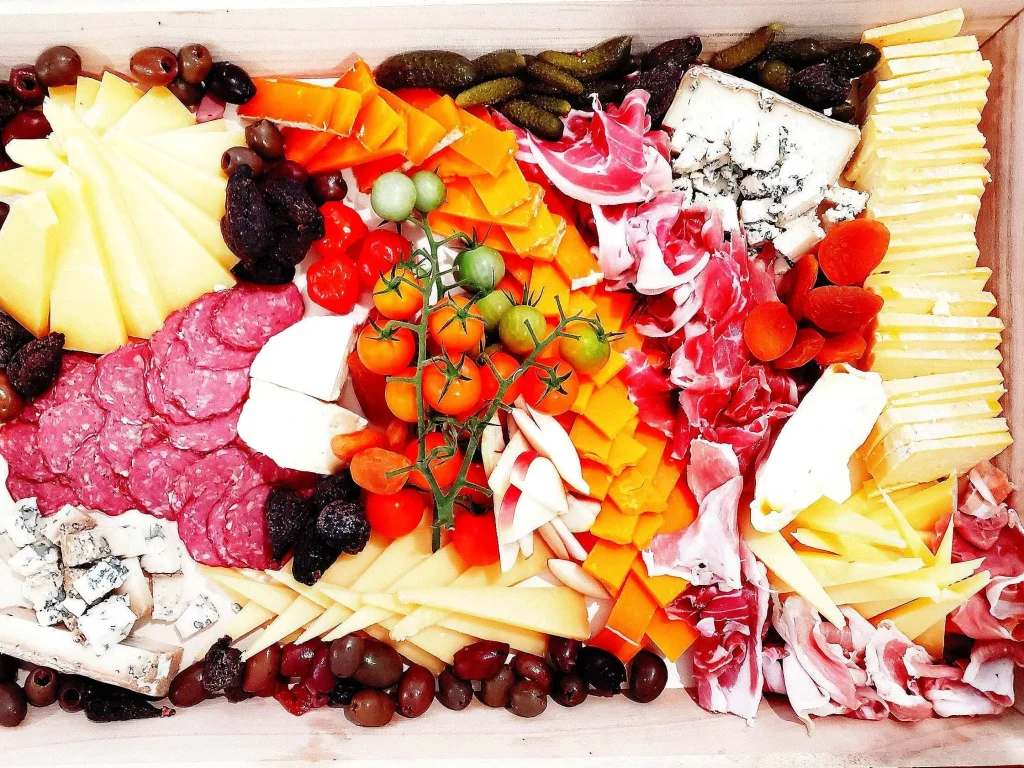
Agarwal was sure that he had the “right product at the right time.” The nation had emerged from the COVID-19 pandemic; people were spending more time together, and “this is what they can gather around,” he said.
Those early days, however, offered a harsh introduction to the restaurant industry’s economics. Agarwal described spending hundreds of thousands of dollars on New York City rent and “well over $1 million” on commissions to third-party delivery platforms.
Realizing that traditional, brick-and-mortar expansion was financially unsustainable, the tech founder pivoted to a software-driven strategy earlier this year. Rather than opening new physical locations, Agarwal began partnering with independent cheese and charcuterie businesses.
HappyBoards directs online orders to the “top 10% best” local businesses, Agarwal said. His idea for a national network and brand has “taken off like fire.”
“We’re kind of like 1-800-FLOWERS, but for cheese and charcuterie, and it’s totally free for any partner,” Agarwal explained. “We made it totally free because we know how tough these businesses are, and how little margin there can be.”
The zero-commission model ignited rapid growth. HappyBoards now has over 120 partners nationwide, and most joined in the last 100 days, Agarwal said.
HappyBoards expanded to Tampa in September through a partnership with Life is Gouda. Unlike a traditional franchise model that demands strict uniformity across all locations, the company embraces regional variation and local flair.
“It’s a cheese board. It’s a charcuterie board. It’s a fruit platter. It’s okay if the ones in New York have strawberries and the ones in Florida have pineapple,” Agarwal said. “It’s not about a particular ingredient. It’s the overall presentation, the experience of having a charcuterie board with people around you.”
HappyBoards prioritizes interpersonal relationships and togetherness. Agarwal said a “real human, no AI chatbot,” texts every customer to confirm orders.
“I have a little internal tool that summarizes all the orders for me and the stories behind the board,” he explained. “The stories are just so heartwarming. That’s what got me emotionally hooked.”
The platform offers local businesses a new revenue stream without marketing costs or delivery app fees. Agarwal noted that a partner in California crafts charcuterie boards as an outlet away from her daughter’s cancer treatments, and the supplemental income helps cover medical expenses.
As HappyBoards expands its footprint, the company is leveraging its newfound national scale to test broader initiatives. Agarwal said new nonprofit partnerships reward $100 donations with a $20 credit.
His overarching goal is to create “value for everyone” in the communities HappyBoards serves and unite people around charcuterie boards. “What we were kind of doing in our own little corner of the world here in New York… we’re now just really thrilled that we can do it at a national level,” Agarwal said.
“We just want to create a world where people can just hang out and be happy together.”