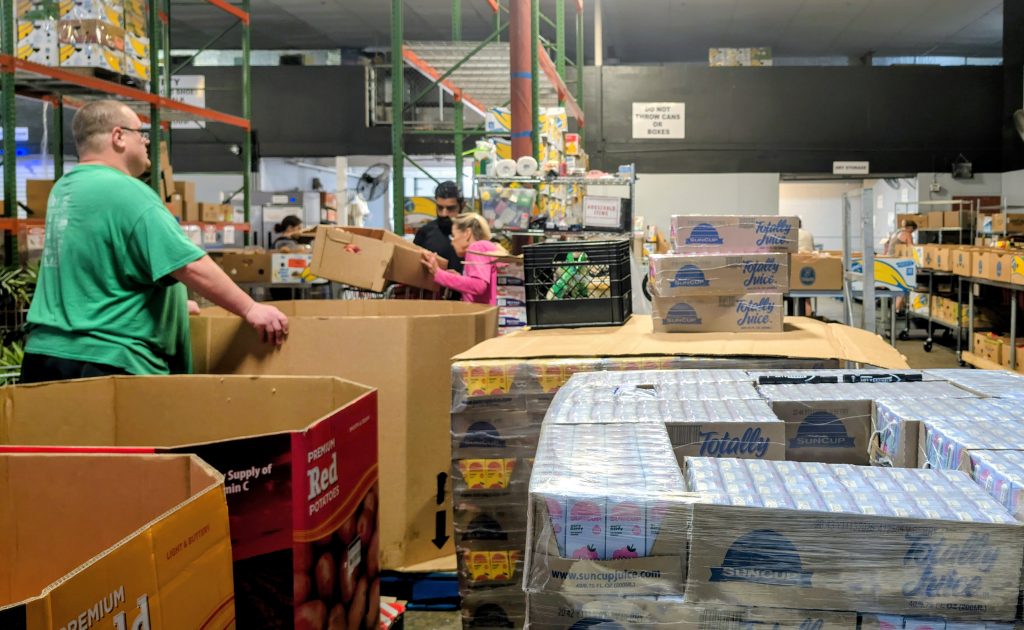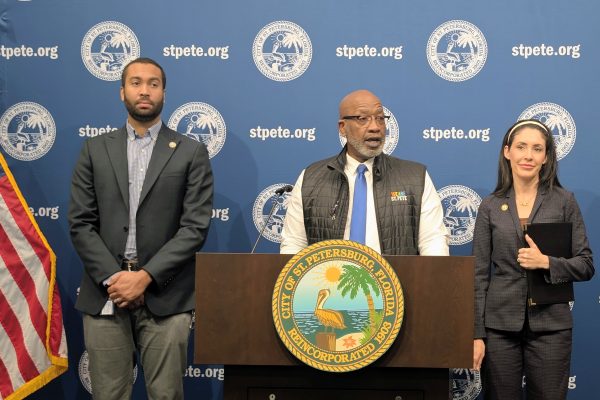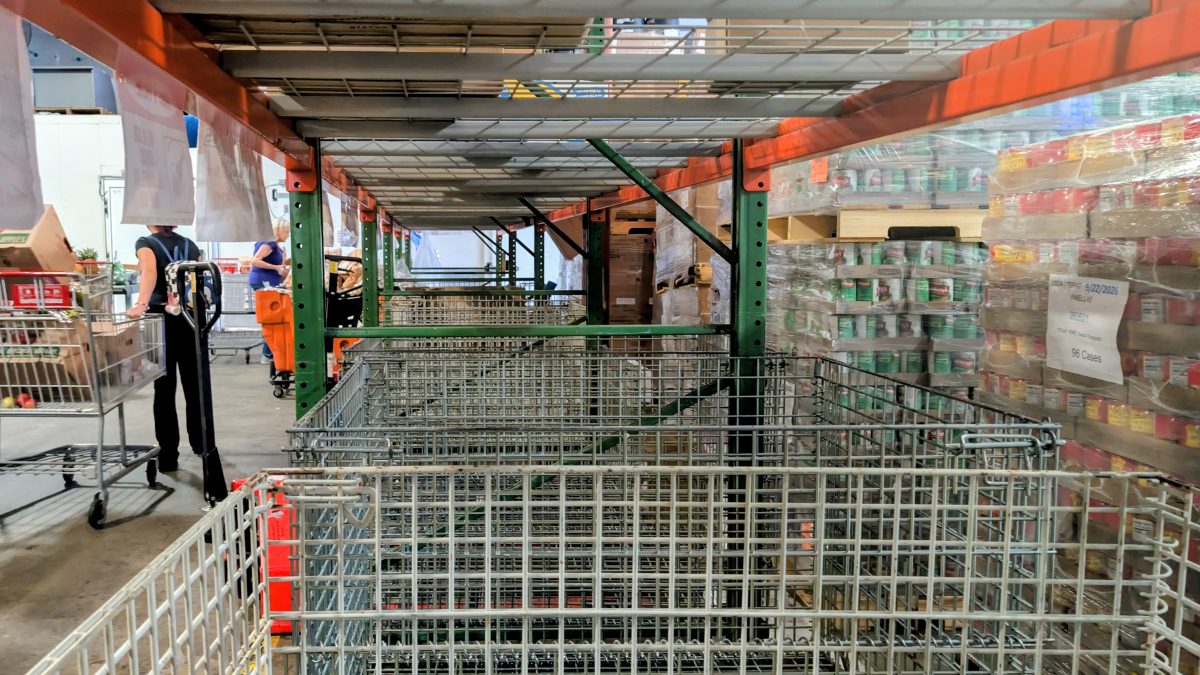
Nonprofits face the same economic pressures squeezing local families, as soaring food and fuel costs have left Hope Villages of America facing empty donation bins amid increasing demand.
The data behind the crisis illustrates a stark reality. Sen. Nick DiCeglie, CEO of Hope Villages, said up to 50% of the people who arrive at the Clearwater food bank are first-time visitors seeking emergency help.
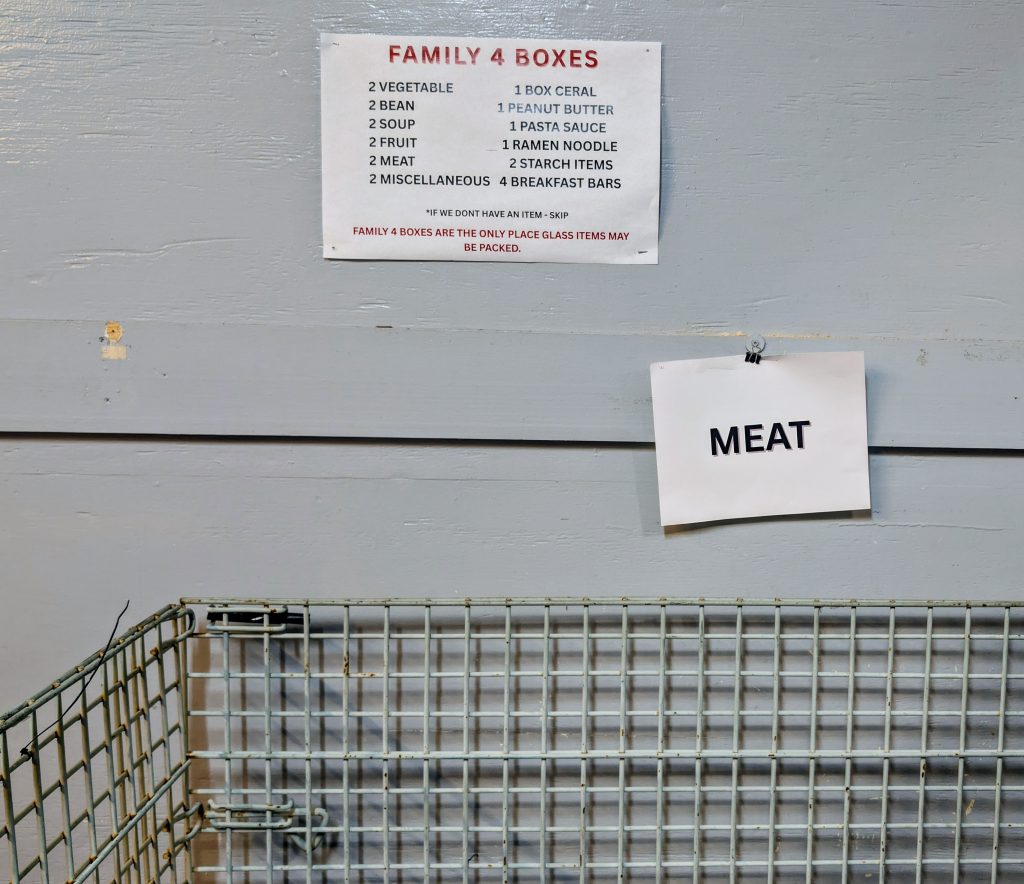
Deliveries from area grocery stores have dropped 30% over the past two months, consistently leaving inventory depleted across all 10 core food categories. Covering the discrepancy is not an option, as DiCeglie said it would cost the nonprofit about $10,000 weekly to feed its guests.
“We want the community to know that we’ve got some challenges here, and they’re real,” DiCeglie said. “Typically, we’re able to get through it. But it’s never a good look for our volunteers when they come here and see empty bins.”
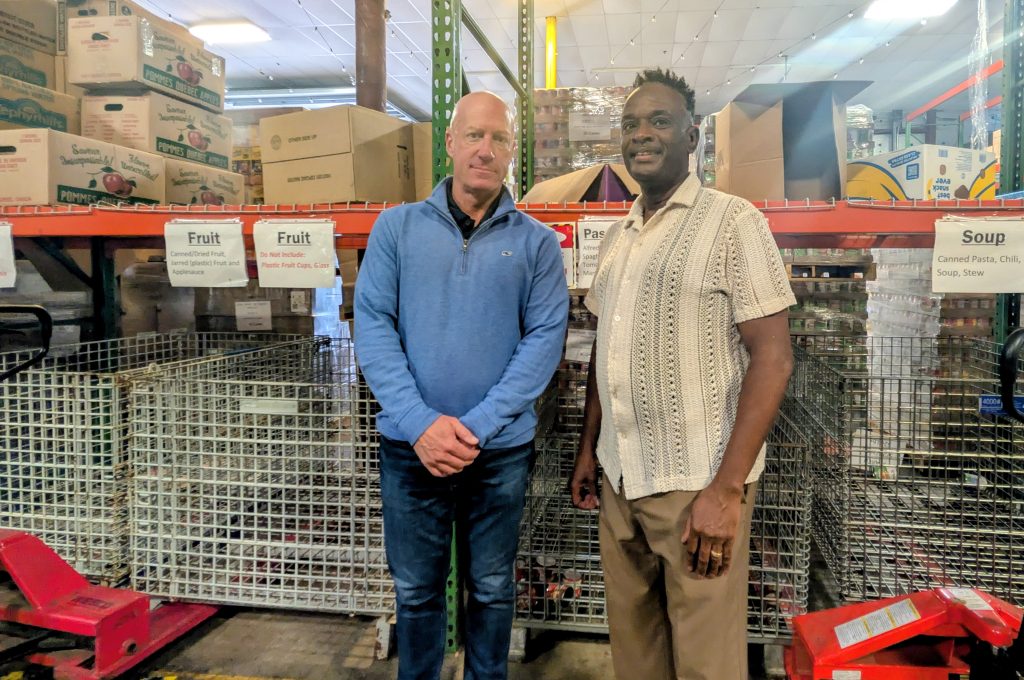
Hope Villages distributed over 5 million pounds of food to other nonprofits in 2025 and directly served 78,200 Pinellas County residents in need. Founded in 1967, the organization also provides safety and shelter for domestic violence victims and affordable housing for families on the verge of becoming homeless.
The convergence of exorbitant fuel costs, rising grocery prices, and general inflation has created a severe economic catch-22. As mounting living expenses force families to seek food assistance, those same financial headwinds cause individual donors, local businesses and regional partners to tighten their belts.
“Basically, it’s a snowball effect down the entire production line,” DiCeglie said. “People are frustrated. They should be – I’m frustrated. I don’t think anybody is going to say that they’re not frustrated with what’s going on with our economy.”
With diesel hovering near $6 a gallon, corporate donors are also trimming delivery routes. The resulting inventory reduction has forced Hope Villages to adjust its operational schedule.
Historically, the pantry kept its doors open later on Thursdays to accommodate working residents. But after repeatedly running out of food beforehand, management moved evening hours to Tuesdays.
A simultaneous surge in demand exacerbates the uncertainty, said Melvin Thomas, senior vice president of operations. “People are hurting.”
“People’s dollars don’t go as far across all purchasing needs – everything has gone up,” Thomas added. “And what happens is that people hold back. We don’t have as much available to be donated.”
The resource drain has extended beyond food to essential supplies. In September, Hope Villages ran out of packing boxes.
Unwilling to turn clients away or compromise their dignity by handing out loose items, staff began asking visitors to return empty containers. The makeshift recycling program “upset some of our volunteers,” Thomas said.
The situation has a psychological impact on guests already reeling from their financial predicament and volunteers, who want to serve every person who visits the food bank, DiCeglie said.
Thomas noted another consequence: “If people have to take a second job, that’s less time for them to volunteer,” he explained.
Hope Villages is urging people to drop off food at the Clearwater facility. When asked what items are most needed, Thomas said, “Every single category is low.”
“We have enough food right now to get through today.”
Organizations interested in supporting the nonprofit can contact leadership to schedule a food drive. A mobile pantry can attend and collect donations, and Hope Villages is “happy to help organize” any events, DiCeglie said.
Financial support would, obviously, help fill the empty bins. Thomas said the nonprofit, a “lifeline for many neighbors,” also needs additional volunteers.
“We couldn’t do what we do without volunteers,” he continued. “I don’t think people realize just how interconnected we all are.”
For more information on Hope Villages of America, visit the website here.