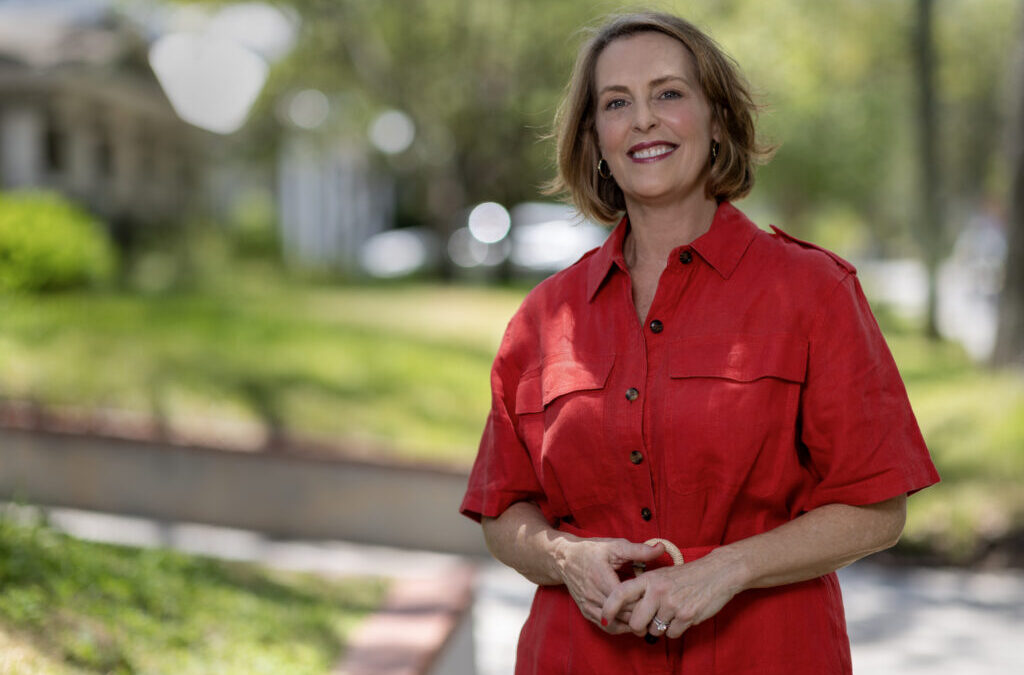
With state prosecutors stymied by amnesia among top officials, U.S. Reps. Kathy Castor and Darren Soto are taking Florida’s $10 million Medicaid diversion directly to federal watchdogs in Washington, D.C.
The recent escalation follows a state grand jury report confirming that $10 million in taxpayer funds – initially allocated for sick children and low-income families – was misappropriated to the Hope Florida Foundation in a “sophisticated scheme to fund political activities.”
First Lady Casey DeSantis launched the Hope Florida initiative in 2021. The diverted money, which stemmed from a $67 million Medicaid overbilling settlement with healthcare giant Centene, swiftly moved through a maze of nonprofits before political action committees controlled by Attorney General James Uthmeier, then Gov. Ron DeSantis’ chief of staff, received $8.5 million.
Despite uncovering an illegal misappropriation of public resources, the grand jury concluded that it could not bring criminal charges. “Nobody will take responsibility for deciding the $10 million of taxpayer money would go to Hope Florida… or had any memory of who made it,” the report concluded.
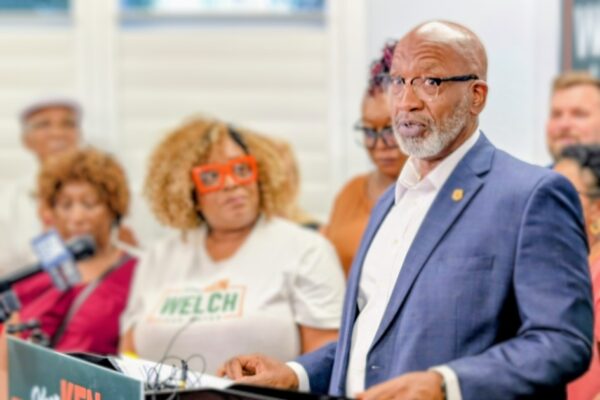
Castor forcefully rejected the state-level stalemate in a public address on Sept. 14, ahead of her return to Capitol Hill. She demanded full accountability and noted that constituents are “fed up with the corruption and waste.”
“The same people who cut health care for thousands of Floridians under the guise of waste, fraud and abuse sent millions of your hard-earned dollars to fund political campaigns,” Castor said. “Chaos and corruption have become the norm in Washington and Tallahassee – but it doesn’t have to be that way.
“The public has a right to know how it happened and who is responsible.”
To that point, Castor and Soto have demanded federal intervention in a recent letter to the U.S. Department of Health and Human Services Office of Inspector General (HHS-OIG) and Centers for Medicare and Medicaid Services (CMS). The two lawmakers noted the funding supported a DeSantis-led campaign against a recreational marijuana ballot amendment.
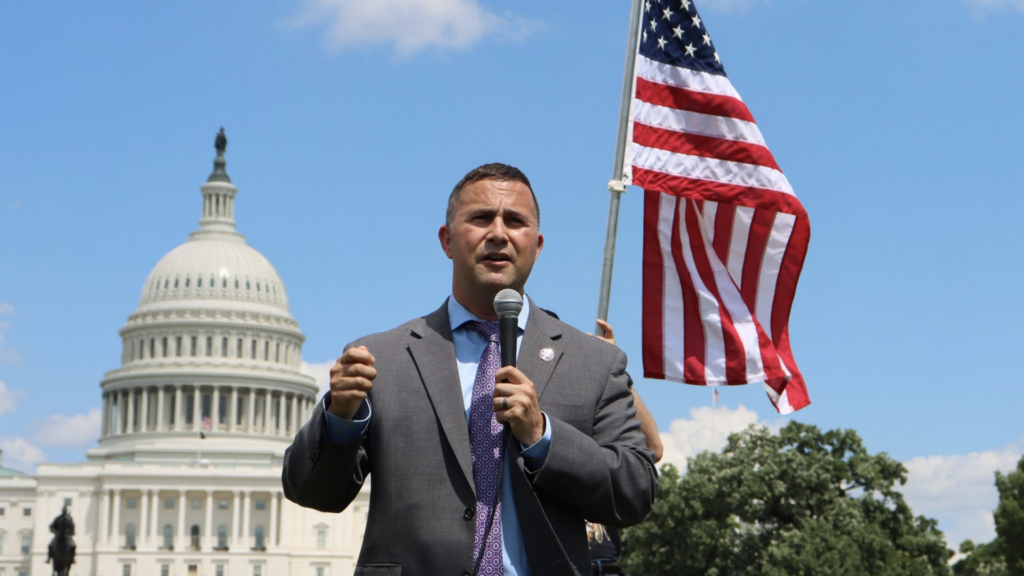
Castor and Soto outlined a concerning timeline. The state settlement gave Centene over a year to return $57 million. However, the company was required to wire-transfer $10 million to the private Hope Florida Foundation within a week.
According to grand jury testimony, the settlement materialized rapidly after years of inactivity. It was finalized 45 days before the 2024 election, “which appears to be illegal and morally wrong,” the letter states.
Castor and Soto also highlighted how the rushed transaction occurred while Floridians were reeling from back-to-back devastation caused by Hurricanes Helene and Milton. The grand jury report “suggests the state may have taken advantage of the chaos and confusion on the ground for purely political gain,” they wrote.
Despite documenting the scheme, the grand jury concluded it had insufficient evidence to file criminal charges because those involved couldn’t remember who ordered the $10 million carveout.
“While we can’t provide who is responsible, we can plainly see that taxpayer money was misused for political purposes and we would like to see changes made to prevent this from happening again,” the report states.
Castor and Soto insist that state-level amnesia does not negate the federal government’s duty to enforce healthcare laws independently. Their letter cites provisions in the Social Security Act and CMS reporting rules, which legally bind states to use Medicaid overpayment recoveries for authorized health services.
“The Center for Medicaid Services has confirmed that the federal government recovered its share of the settlement,” Castor said in her message. “But recovering the money does not answer the question: Was this Medicaid-connected money misused for partisan politics, and who was involved?”
The joint letter asks whether Florida officials made false or misleading statements to CMS, whether the Hope Florida diversion violated federal award conditions and whether the agency will audit other state Medicaid settlements for unauthorized misappropriations.
Castor and Soto highlighted the grand jury’s call for legislative reforms. They also urged CMS and HHS-OIG to “seriously consider the new information brought to light in this case and to provide full transparency into any federal government involvement with the state.”
“Corruption costs you, and accountability matters,” Castor said in her message to constituents. “Those responsible should be held accountable, and I will not rest until we see that accountability.”