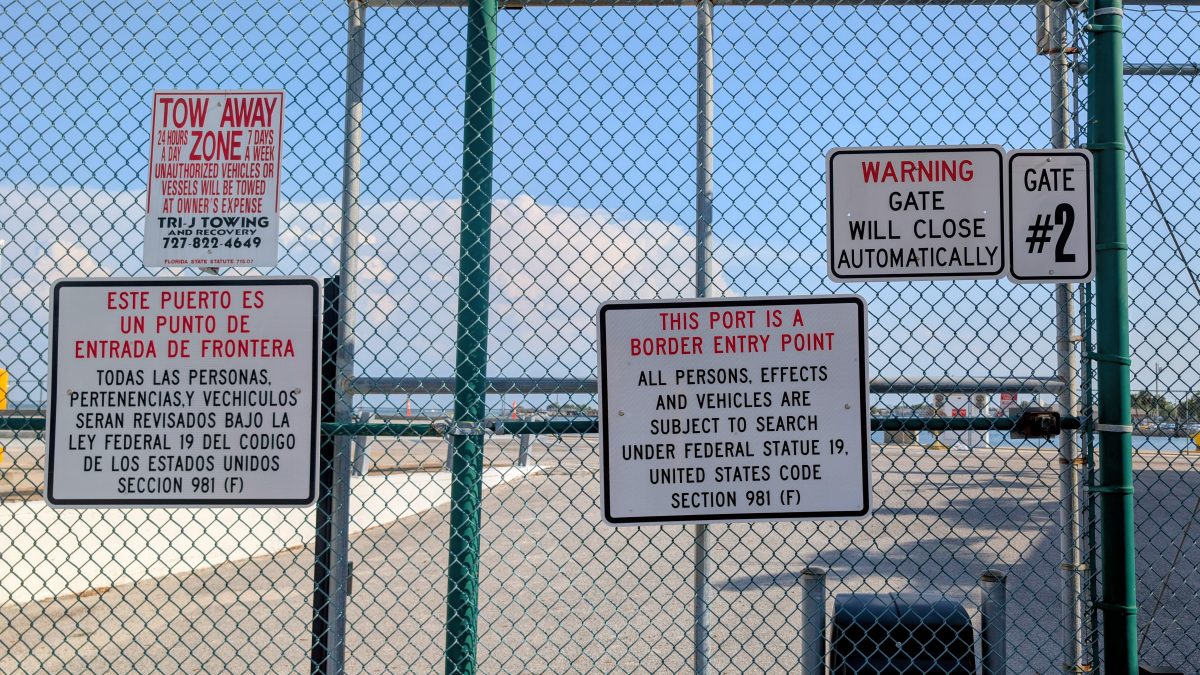
Stakeholders believe a ballot referendum to extend the maximum lease term at Port St. Petersburg will provide the flexibility needed to attract new maritime investments.
If approved by voters Tuesday, the proposed city charter amendment would increase the current lease cap from 10 years to 25 years. Alison Barlow, executive director of the surrounding St. Petersburg Innovation District, said the extension is “critically important” to securing federal funding, heavy infrastructure and long-term commercial tenants.
The amendment would not change permitted uses at the port, allow residential development or approve any specific project. However, it would clear a path to expand the Maritime and Defense Technology Hub, a local economic driver, on what is now a surface parking lot.
“It’s an opportunity to give the city a negotiating position to work with myself and others who are looking at creating investments in the port,” Barlow said. “Often, for say the hub, when we’re looking at public money, federal money, they want certainty that what we’re proposing and they might fund is going to be there for a while.”
The 10-year cap helps protect the city’s waterfront from overdevelopment. Longer leases require a citywide referendum.
In 2004, voters approved increasing the limit at nearby Albert Whitted Airport from five years to 25 years. All new leases would still require the mayoral administration’s and city council’s blessing.
The amendment does not mandate a 25-year lease for every tenant. City officials will retain the authority to determine what terms make the most sense on a case-by-case basis.
“It will change and has changed the conversation with prospective tenants,” Barlow said of the current limitations. “If we can’t offer that kind of certainty, they have to make some trade-off decisions on their side.
“It may prohibit them from feeling comfortable hiring a local person because they’re not sure that they will have a place to be in a couple of years, or making a big investment in the facility that maybe we aren’t able to make.”
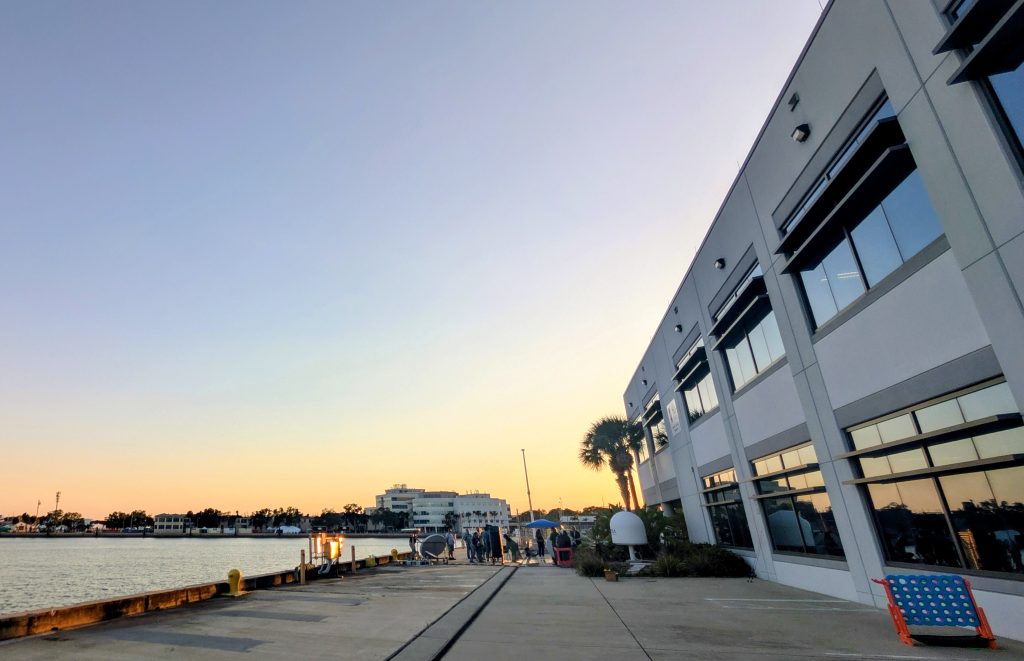
Matching the airport’s 25-year lease would satisfy federal funding requirements, which helps attract private investments and favorable commercial financing. All three are critical to the hub’s planned expansion.
The sister facility, previously dubbed Hub 2, would provide critical waterfront space for resiliency, research and technology-focused government agencies, businesses and academic institutions in the Innovation District.
Public and private stakeholders agree that the new facility, now called the Center for Coastal Resilience, would be a boon to St. Petersburg’s marine-based economy. The approximately $30 million project would not require city subsidies if the amendment passes.
The Innovation District is already home to about 1,900 marine science employees and contributes $540 million annually to the local economy. USF’s College of Marine Science anchors an industry cluster with over 30 private companies, research organizations, academic entities, and government agencies.

Barlow found immediate success when she opened the hub in January 2022. The 32,000-square-foot facility houses roughly 20 tenants and supports hundreds of jobs.
On average, full-time employees at the hub earn $91,500 annually. Barlow said the amendment’s failure would delay the much-anticipated expansion by nearly three years and require another referendum.
“If nobody were able to extend their leases, we would probably just continue to have an underutilized port,” she added. “Or we would have to get super creative like we did with the current hub, and look for different types of tenants and situations.”
The city’s recently released master plan for the port includes various conceptual scenarios, but stakeholders remain adamant about focusing on research and maritime jobs. They believe the referendum is ultimately about embracing St. Petersburg’s unique coastal assets rather than widespread redevelopment.
“I think that this allows the greatest opportunity to continue to focus on maritime technology and maritime research in St. Petersburg,” Barlow said. “It encourages us to leverage the port and lean into all the assets that we have… That is unique in Tampa Bay, that is unique in Florida and we don’t want to lose that.”